Wondering which energy efficient home upgrades are worth paying for? Start with insulation and air sealing, then handle the heating system, and check incentives before you buy.
This guide is one piece of our wider look at home upgrades that add value, with a focus on projects that lower running costs.
| Item | Value |
|---|---|
| Federal credit rate | 30% of certain qualified expenses |
| Overall annual credit limit | $3,200 per year |
| Insulation, windows, doors, furnaces and central AC combined | $1,200 per year |
| Heat pumps, heat pump water heaters, biomass stoves and boilers | $2,000 per year |
| Home energy audit | $150 |
| End date stated on the IRS page | December 31, 2025 |
These figures come from the IRS credit page and the ENERGY STAR insulation credit page. Rules and limits can change, so check the source before you rely on them.
Start with the building envelope
The envelope is your roof, walls, windows and doors, and it decides how hard your heating and cooling have to work. Insulation and air sealing come first because every system you buy later can be smaller and cheaper when the house leaks less.
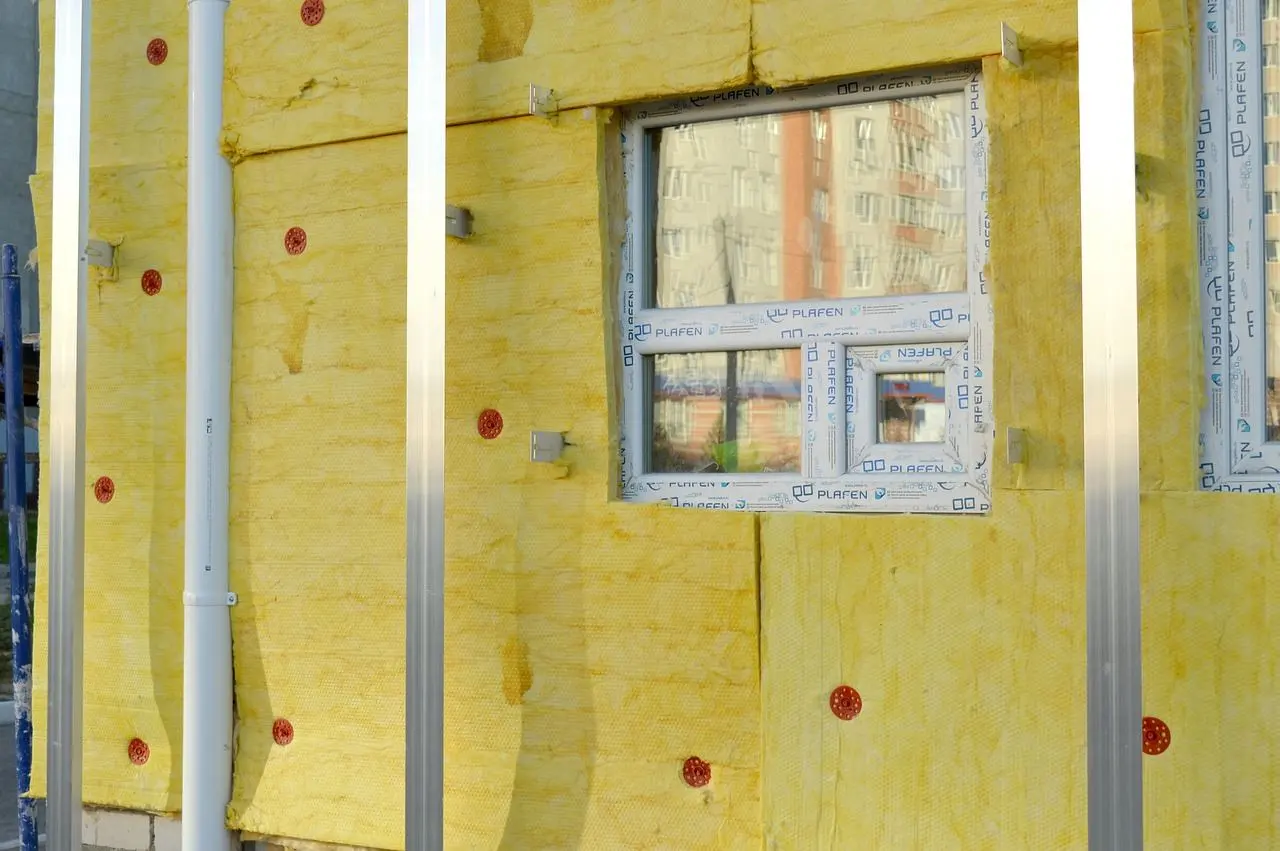
ENERGY STAR says typical bulk insulation can qualify for the federal credit, including batts, rolls, blow-in fibers, rigid boards, expanding spray and pour-in-place. Air-sealing products such as weather stripping, caulk designed to air seal and house wrap can also qualify when they come with a Manufacturers Certification Statement, as the ENERGY STAR insulation page explains.

NAHB’s analysis of IRS data found that insulation and air sealing were the most commonly claimed improvements in 2023. They were filed with 699,440 tax returns, or 29.9% of all claims, according to the NAHB post.
Heating, cooling and hot water
Once the envelope is tight, the equipment has less work to do. ENERGY STAR advises that if your heating or cooling system is old and you are weighing a new air source heat pump, you should optimize your attic insulation first so you don’t pay for more capacity than you need.
The same page sketches two ways to stack projects in one year. Insulation can earn up to $1,200 alongside up to $2,000 for a heat pump. Or the heat pump can be paired with up to $600 total for windows and skylights plus $500 for two or more doors, per the ENERGY STAR guidance.
NAHB lists the equipment types the credit can apply to, covering both purchase and installation costs, in its tax credit explainer:
- Heat pumps and heat pump water heaters
- Air conditioning units
- Furnaces and boilers
- Water heaters
- Biomass stoves and boilers
- Electric panel and circuit upgrades
How the federal credit works
The Energy Efficient Home Improvement Credit equals 30% of certain qualified expenses, and the IRS says you may qualify for a credit of up to $3,200. The IRS page breaks that into category limits:
- Insulation, windows, doors, furnaces and central air conditioners share a combined limit of $1,200 per year, according to ENERGY STAR.
- Qualified heat pumps, water heaters, biomass stoves or biomass boilers have a limit of $2,000 per year, per the IRS.
- Inside the lower group, the IRS caps exterior doors at $250 per door and $500 total, exterior windows and skylights at $600, and home energy audits at $150.
The credit is nonrefundable, so you can’t get back more than you owe in taxes. The IRS also says you can’t carry any excess credit into future tax years.
The home must be your main home, an existing one rather than new construction. Landlords who don’t live in the property can’t claim it, and building envelope components need an expected lifespan of at least 5 years, per the IRS page.
There is one more hurdle for 2025. The IRS says each qualifying item then needs to come from a qualified manufacturer, and you report its Qualified Manufacturer Identification Number on your return.
Check the dates and local rebates
The IRS page says you can claim the credit for improvements made through December 31, 2025. ENERGY STAR gives a matching window, for products purchased and installed between January 1, 2023, and December 31, 2025, on its insulation credit page.
If your project falls after that end date, ask the IRS or a tax professional whether any credit remains. The upgrades still lower your usage, but the payback math changes without it.
Rebates are a separate track. A Treasury explainer dated July 19, 2024 covers how Department of Energy home energy rebates fit alongside the tax credits. ENERGY STAR’s Rebate Finder is meant to help you look for utility, state and local rebates in your area.
Plan the order of your projects
Sequence matters as much as the shopping list. A sensible order, based on the ENERGY STAR and IRS guidance above, looks like this:
- Book a home energy audit, which the IRS lists as a qualified expense.
- Insulate the attic and seal air leaks.
- Replace an aging heating, cooling or water heating system with an efficient one.
- Swap windows and doors where they are worn out, not just dated.
Because the annual limits are structured as caps, ENERGY STAR notes it may be prudent to spread improvements over a few years. Once the envelope and equipment are sorted, our smart home upgrades guide covers the controls side.
If a kitchen refresh is also on your list, our comparison of cabinet refacing vs replacing will help you weigh cost against disruption, though cabinets are not an efficiency project.
Frequently asked questions
Can renters claim an energy efficiency credit?
Show answer
Sometimes. ENERGY STAR says a tenant who rents their principal residence and makes eligible improvements may be able to claim a credit, while landlords can never use it for rentals they don’t live in. See the ENERGY STAR eligibility notes for the item-by-item rules.
Do I have to itemize deductions to claim it?
Show answer
No. NAHB says filers can take the standard deduction and still claim the credit, using Form 5695 with their return. The claim belongs to the tax year the item was installed, not merely bought, per the NAHB explainer.
Does the credit cover installation labor?
Show answer
It depends on the product. For insulation, doors, windows and skylights, NAHB says only the purchase price counts. For equipment such as heat pumps and water heaters, installation costs can count too, as the NAHB post describes.
How many households actually use the credit?
Show answer
Fewer than you might expect. NAHB cited IRS statistics showing only 1.7% of tax returns for tax year 2023 claimed the credit, and it saw room for more taxpayers to use it, according to its analysis of the credit.