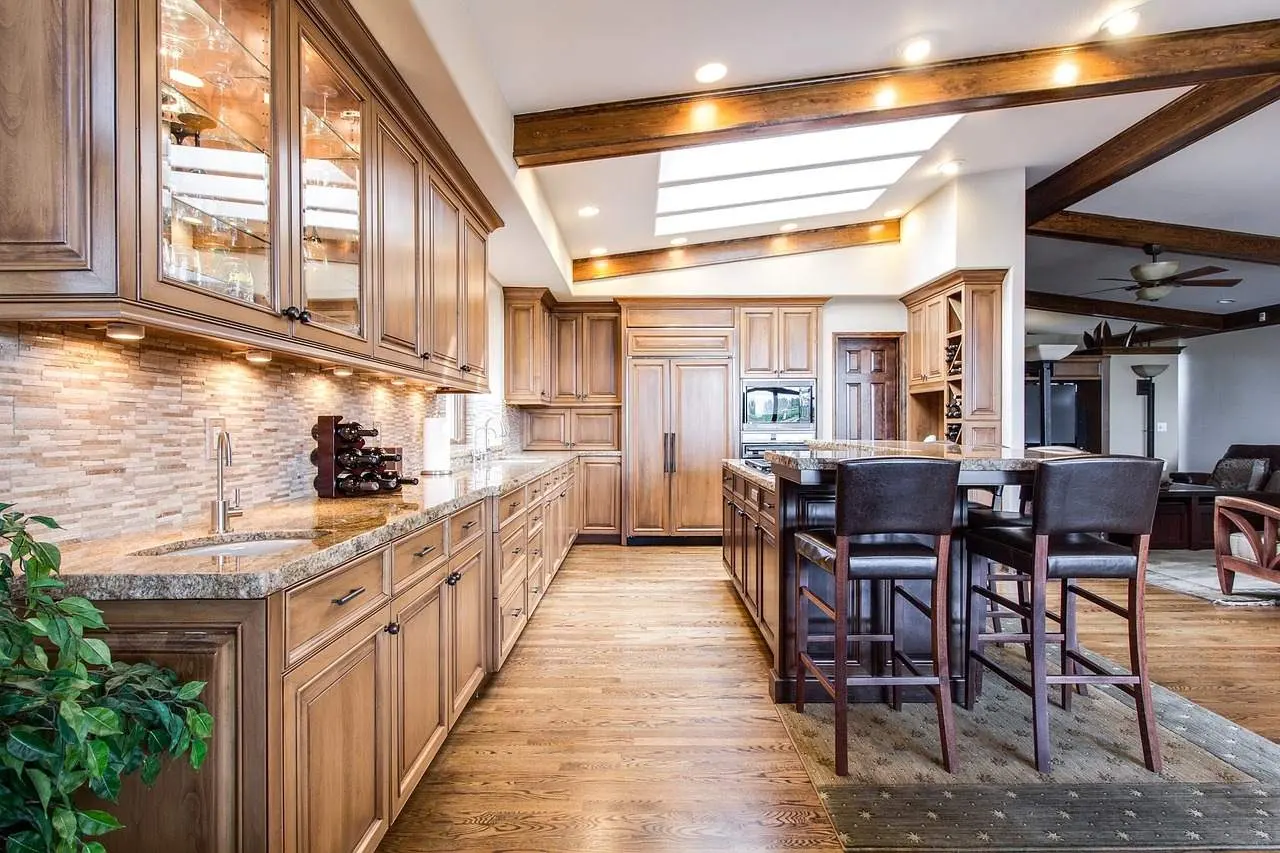
Planning a remodel can feel like a gamble with your money and your home. These home remodeling tips come down to one line: set a realistic budget, define the scope, and hire a vetted contractor.
| Item | Value |
|---|---|
| Projected home improvement spending (Harvard’s Joint Center for Housing Studies, as reported by Consumer Reports) | $155 billion |
| Year of the earlier spending peak | 2006 |
| Construction jobs shed since 2007 | More than 2 million jobs |
| General contractors in the Consumer Reports survey | 300 general contractors |
| Date the source article was last updated | March 28, 2017 |
These figures come from Consumer Reports’ “Home Renovation Without Aggravation”, and numbers like these change over time, so check the source before you rely on them.
What the numbers say about remodeling demand
The most useful warning for any homeowner is that good help can be hard to book. In the Consumer Reports article last updated March 28, 2017, home improvement spending was projected to reach $155 billion, surpassing the peak set in 2006, according to Harvard’s Joint Center for Housing Studies.
The same piece said the construction industry had shed more than 2 million jobs since 2007. Demand for home renovation work was swiftly outpacing the supply of qualified professionals, which is a dated snapshot rather than a picture of today’s market.
That squeeze matters because of what the contractor survey found. A survey of 300 general contractors by the Consumer Reports National Research Center reported lowball bids, followed by higher costs later blamed on “unforeseen problems”, and the use of unskilled laborers.

You cannot control the labor market, but you can control how prepared you are. The rest of this guide turns that lesson into habits:
- Know exactly what you want built before anyone gives you a price.
- Compare bids line by line, not just by the bottom number.
- Keep a reserve for the surprises that every older house can hold.
- Get every change in writing before the work happens.
Plan the scope before you collect bids
A clear scope is the cheapest protection you have. Contractors can only price what you describe, and vague requests invite vague numbers that grow later.
Our walkthrough on how to plan a home remodel covers the full sequence. If you are still choosing what to change, home renovation ideas can help you narrow the list.
Start with this order of work:
- Write down the problem you want solved, such as a cramped kitchen, a dated bathroom or a leaky roof.
- Separate needs from wants, and rank the wants.
- Collect photos and measurements, and note anything you will not compromise on.
- Decide who will make decisions, especially if two or more people share the home.
- Choose finishes and fixtures early, because late changes are a common cause of delay and extra cost.
If you plan to sell eventually, read about home upgrades that add value before you commit to a design. A project you love and a project that appeals to buyers are not always the same.
Set a budget that survives surprises
A budget is a plan for the money, and a good one has room to bend. Start from what you can truly afford, then work backward to what the scope can include.
The guide to a home remodel budget explains how to split costs by category. For one of the most common projects, the page on kitchen remodel cost shows what tends to drive the total.

Build your budget around these lines:
- Labor and materials, priced separately so you can see where the money goes.
- Design, permit and inspection fees, which are easy to forget.
- A contingency reserve for hidden problems such as old wiring or water damage behind a wall.
- Temporary living costs, such as eating out when the kitchen is out of action.
Be wary of a price that is far below every other bid. The Consumer Reports survey described lowball bids as a way to win a job and then raise the cost later, so a low number is a reason to ask more questions, not a reason to sign.
How do you hire the right contractor?
Hiring is where most remodeling projects are won or lost. Our guide on how to hire a remodeling contractor lays out the whole process from first call to signed agreement.
Gather several bids from firms that have done similar work, and ask each for recent references. A short list of questions to ask a contractor will help you compare how they answer, not only what they charge.
When the estimates arrive, learn how to read a contractor estimate so you can spot missing items, vague allowances and unclear exclusions.
Watch for these warning signs:
- A bid far below the others with no clear explanation.
- No written contract, or a contract that leaves out the scope.
- Pressure to pay a large share up front or to decide on the spot.
- Unwillingness to name who will actually do the work on your site.
- No proof of license or insurance where your area requires it.
A contractor you trust will welcome these checks. If the response to a polite question is defensive, take that as information.
Permits, schedule and living through the work
Rules differ by city and county, so ask your local building department early. The page on do I need a permit for a remodel explains which kinds of work commonly require one and who should pull it.
Timing is the other thing people underestimate. Read how long does a home remodel take before you promise a family event or a move-in date.

Plan for dust, noise and limited access to rooms. Agree in writing on working hours, how the site will be cleaned each day, and who you call when something looks wrong.
Finish by keeping a project folder with the contract, change orders, receipts, permits and warranty papers. This site is not affiliated with the NARI Home Improvement Show, a home renovation trade show event, and it does not take registrations or orders.
Frequently asked questions
What is the first step in a remodel?
Show answer
Define the problem you want to fix and rank your priorities. Pricing and design come after that, because a clear brief makes every later decision easier.
Should I take the lowest bid?
Show answer
Not automatically. Compare what each bid includes, since a low total can hide missing work that shows up later as extra charges.
Why do remodeling costs rise mid-project?
Show answer
Hidden conditions, changed finishes and added requests are the usual causes. A reserve and written change orders keep those moments from turning into disputes.
Is the Consumer Reports data still accurate?
Show answer
It was last updated March 28, 2017, so treat it as a historical snapshot. Its advice on vetting contractors remains a sensible habit, but check current local conditions with your own bids.